
Six countries, six traditions
African Cinema Starter Pack
This starter route resists treating African cinema as a genre. Its six films come from different industries, languages, periods, and production traditions, connected by the depth with which each speaks from its own place.
Senegalese modernism and Egyptian classicism sit beside Nigerian popular cinema, South African resistance filmmaking, Moroccan experimentation, and Ethiopian historical memory.
The list is intentionally a beginning. Every linked country guide contains a ranked native route and, where verified, a counter-route of outside perspectives.
The itinerary
-
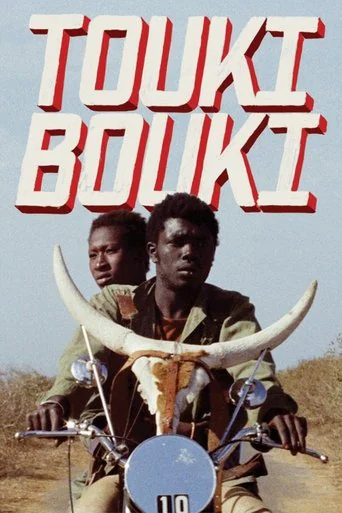
Stop 1 · Senegal · Native voice
Touki Bouki 1973
Restless editing, music, and fantasy turn migration dreams into one of African modernism’s defining works.
In Dakar, a restless young cowherd and a university student dream of escaping to Paris and hatch a series of scams to fund their getaway. Djibril Diop Mambéty's dazzling, dreamlike, avant-garde landmark of African cinema.
Continue into Senegal cinema → -
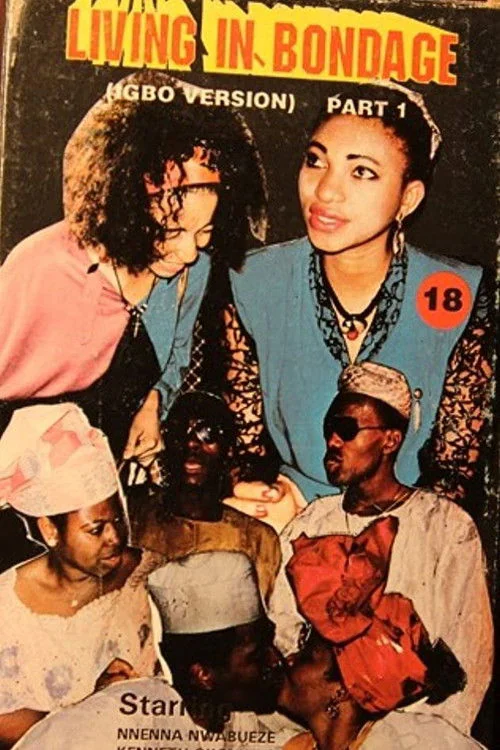
Stop 2 · Nigeria · Native voice
Living in Bondage 1992
A foundational popular film whose home-video success helped establish the industrial model associated with Nollywood.
A man desperate for wealth joins a secret cult and sacrifices his wife in a ritual, gaining sudden riches — only to be relentlessly haunted by her vengeful ghost. The blockbuster that ignited the Nollywood video-film boom.
Continue into Nigeria cinema → -
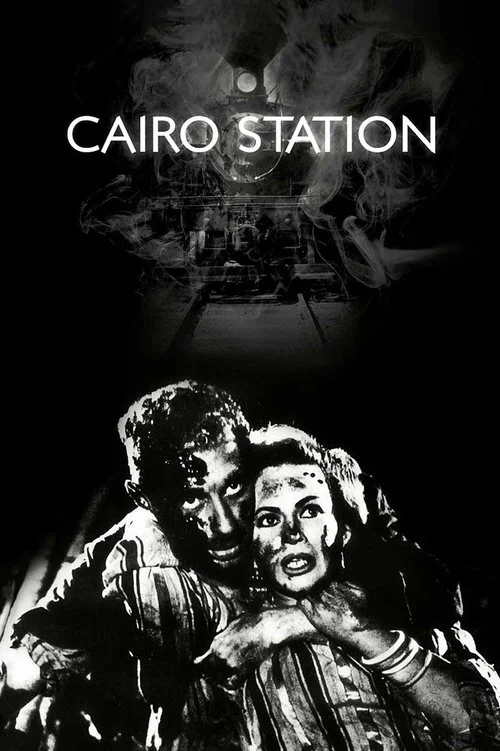
Stop 3 · Egypt · Native voice
Cairo Station 1958
Melodrama, social observation, and psychological tension converge inside the movement of Cairo’s central station.
In the teeming heart of Cairo's central train station, a lame, lonely newspaper vendor nurses a hopeless obsession with a vivacious drinks seller who is promised to another man. Youssef Chahine's electrifying, tragic drama of desire and desperation.
Continue into Egypt cinema → -
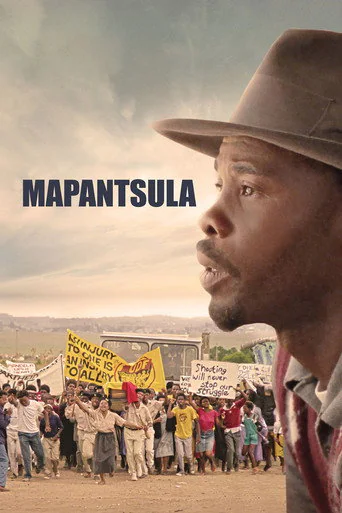
Stop 4 · South Africa · Native voice
Mapantsula 1988
A politically urgent township drama shaped by performance, survival, and resistance under apartheid.
A self-serving Johannesburg petty thief, indifferent to politics, is swept up in the anti-apartheid struggle after a run-in with the police forces him to choose sides. A landmark South African crime drama made in defiance of the apartheid regime.
Continue into South Africa cinema → -
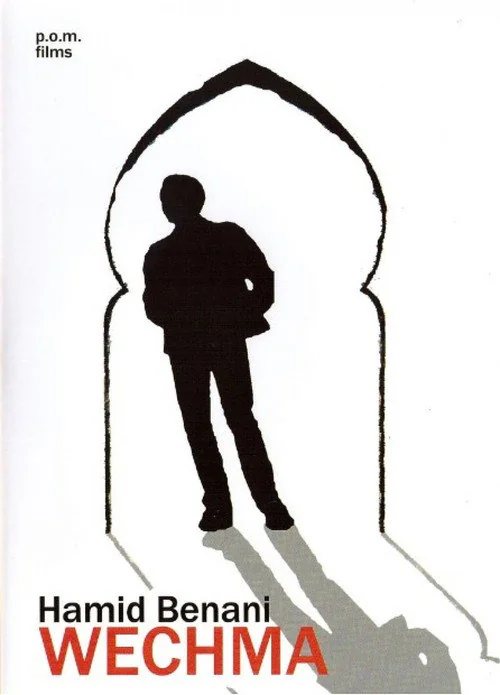
Stop 5 · Morocco · Native voice
Wechma 1970
An early landmark of Moroccan cinema that rejects imported formulas for a fractured, locally rooted visual language.
A boy raised with harsh discipline by his adoptive father grows into a troubled, alienated young man chafing against a rigid society. A landmark of Moroccan cinema and a stark study of authority and rebellion.
Continue into Morocco cinema → -
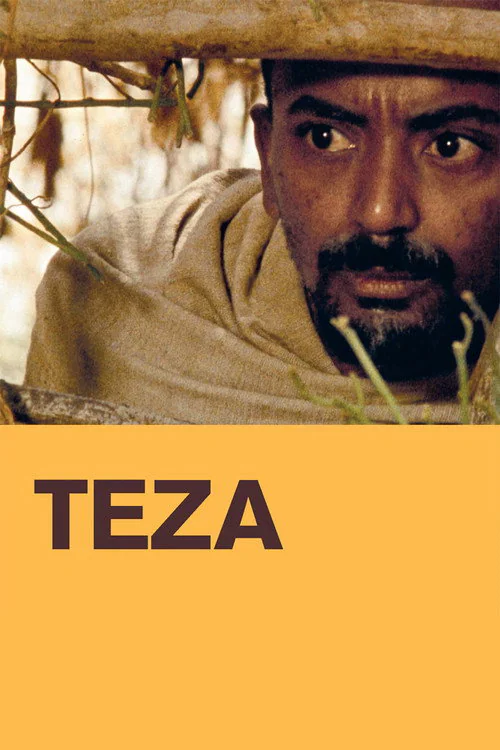
Stop 6 · Ethiopia · Native voice
Teza 2008
Personal disillusionment becomes a route through exile, revolution, and the costs of returning home.
An idealistic Ethiopian intellectual who studied in Europe returns home under the brutal Derg regime of Mengistu, only to find his dreams for his country shattered and himself powerless and displaced. Haile Gerima's sweeping, mournful epic of exile and disillusionment.
Continue into Ethiopia cinema →
Continue travelling
Follow another curated route, or return to the complete country atlas.